

Living Data
About:
Responses to our changing natural world

Disclaimers, Copyrights and Citations
True to science, True to senses, Surprising (showing something new), Evolving
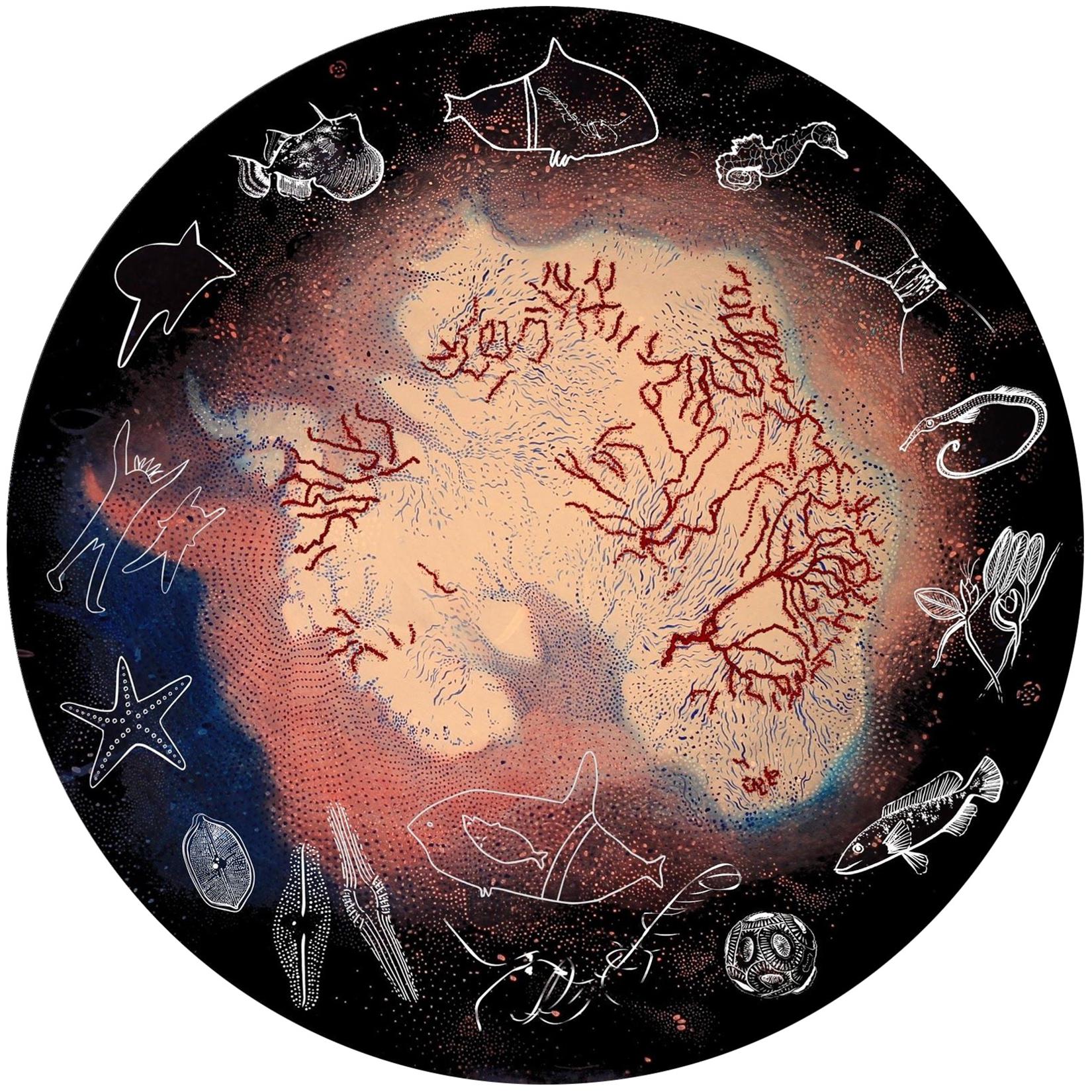
Living Data are responses to our changing natural world expressed as scientific data, art and story.
Since ancient times natural patterns of change have been expressed through Indigenous cultural arts. Today it is recognised that Western science underpins Indigenous cultural knowledge. The purpose of Living Data is to inspire and inform new agreements (treaties) for people to live well together in order to maintain natural balance between plants and animals. Scientific data and human experience agree that disruptions to natural climate patterns are happening since our massive burning of fossil fuels. Living Data's totem is Euphausia superba (Antarctic krill), the keystone speciesof the Southern Ocean that is in turn the keystone ecosystem of our planet.
Although I may lead the story-telling of Living Data, the story does not belong to me or even to the association of contributors. Guided by Wilson's Research is Ceremony (2008)I recognise the story as part of the relationships between us and the living world, and the iconography we share as primal expressions of connection that are available to everyone. The Living Data program builds on the PhD research Antarctic Animation(2010), that resulted in animated primal formsthat express relationships that sustain life.
I work as an Honorary Artist in Residence in the Faculty of Science at the University of Technology Sydney. Work resulting from my interactions with scientists contributes to a growing global movement reconnecting science, art and Indigenous knowledge. My role is co-author and editor of stories that people are willing to share. Stories are published under a Creative Commons Share-Alike License. Stories are available through Lunar Time, the Living Data Living Library, with due respect for its Purpose, Copyrights, Citations and Disclaimers. The Living Data program is supported by private patrons and in-kind support, administered through Living Data Seeding Treaties Incorporated.
Dr Lisa Roberts 7 December 2023
Visual artist/interactive author/Living Data program leader
Artist in Residence, Faculty of Science,University of Technology Sydney
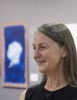
 About Living Data in 3 minutes
Video by journalist Jen Ng
Anthropologist Dr Jonathan Marshall
and Scientist Professor William Gladstone.
Associated programs include:
Sur PolarBuenos Aires
Cape FarewellLondon
LynchpinHobart
ClimarteMelbourne
Ku-ring-gai PhSydney
Listening in the AnthropoceneWagga